
KNOXVILLE, TN, UNITED STATES, July 22, 2026 /EINPresswire.com/ -- Data compiled by the Family Travel Association indicates a substantial rise in multi-generational and shorter, intentional leisure travel, with 57% of surveyed parents actively planning trips that integrate extended family structures and more manageable timelines. Concurrently, a shift
toward the "micro-cation"—defined by hospitality industry analysts at Skift and Expedia as a purposeful vacation spanning four days or fewer—reflects a growing cultural desire to mitigate travel-related burnout. Rather than navigating hyper-commercialized, high-stress destinations, modern families are increasingly favoring secondary geographic markets that balance natural immersion with low-stress logistical execution. This macro-economic shift has elevated cities capable of offering dense outdoor assets adjacent to pedestrian-friendly municipal centers, moving travel patterns away from regional amusement resorts and toward localized ecological hubs.As regional destination marketing organizations adjust strategies to accommodate these condensed itineraries, the availability of multi-use natural spaces located near urban infrastructures has become a primary driver for family trip planning. This model is visible in the development of low-density enclaves and urban preserves that provide immediate access to hiking, paddling, and wildlife viewing without requiring extensive transit times. Emerging domestic markets are utilizing these outdoor assets to attract demographic segments seeking family friendly things to do in Knoxville TN, establishing alternatives to traditional major tourism corridors. Industry data from the Adventure Travel Trade Association notes that contemporary travelers prioritize uncrowded destinations that seamlessly combine nature, wellness, and local culture, which allows under-the-radar municipal regions to capture a larger market share of the weekend travel sector.
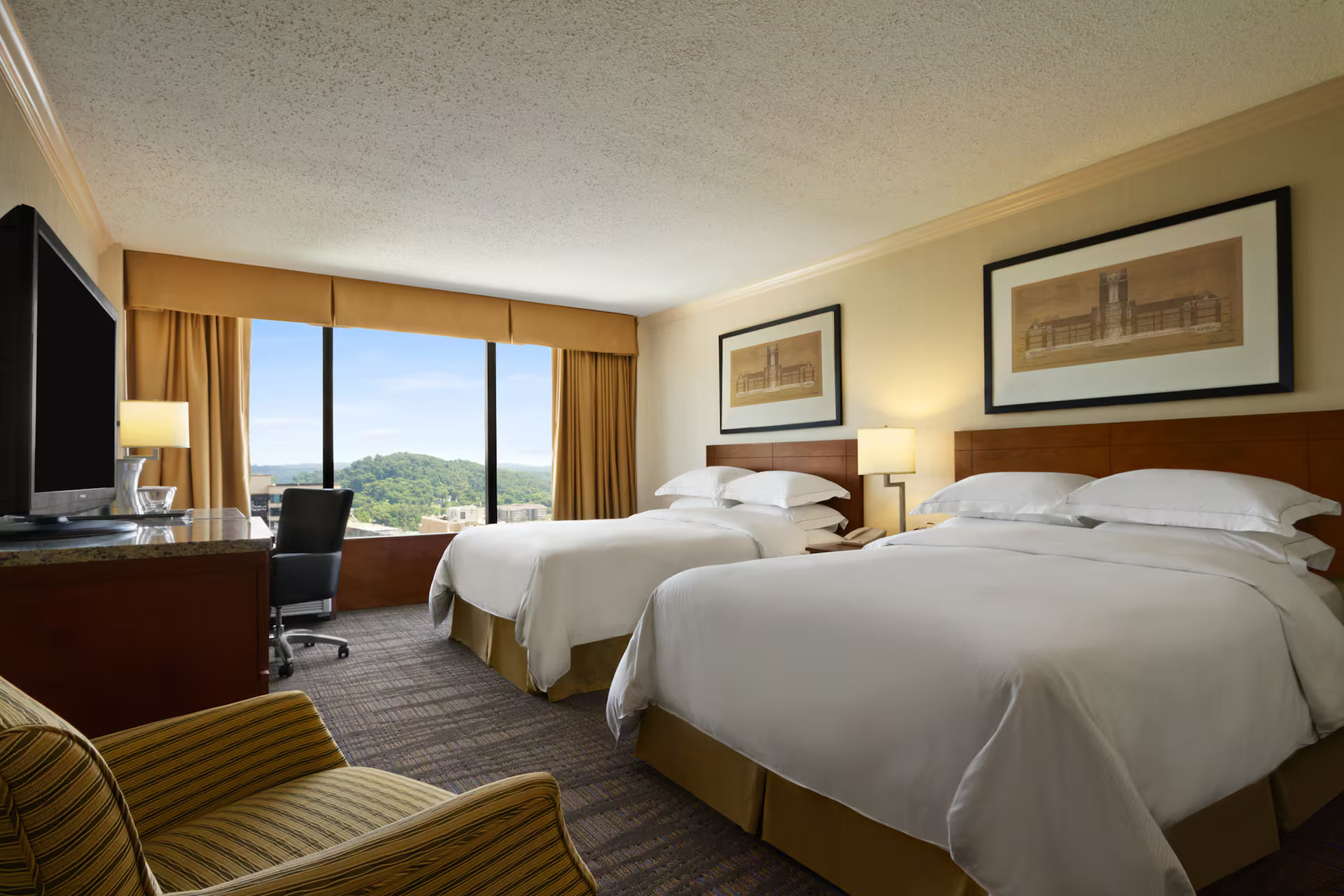
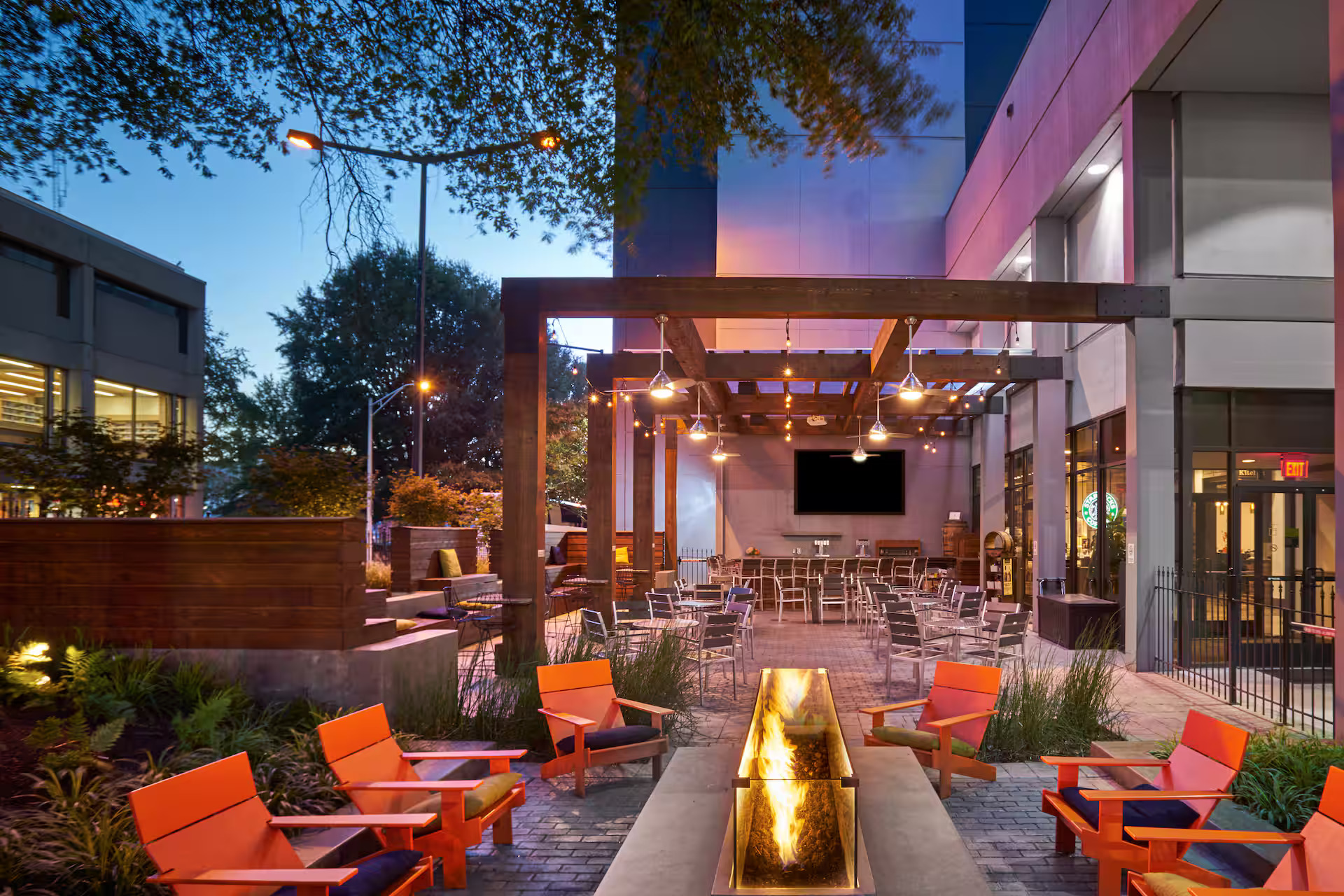
The structural demand for properties capable of serving as logistical launchpads for these brief excursions has influenced urban hospitality. For example, the Hilton Knoxville operates as a downtown property situated within a 10-minute drive of the 1,000-acre Urban Wilderness preserve which contains multi-use trails, quarries, and the Zoo Knoxville, while remaining a 3-minute walk from the open lawns of World’s Fair Park. This positioning allows travelers to execute outdoor activities in the morning and return to the downtown Market Square district for dining options without managing traditional transit and equipment storage challenges. The convergence of municipal trail systems and centralized lodging options supports the operational efficiency required by families executing compact, multi-day vacation formats.

No comments:
Post a Comment